Table Of Content
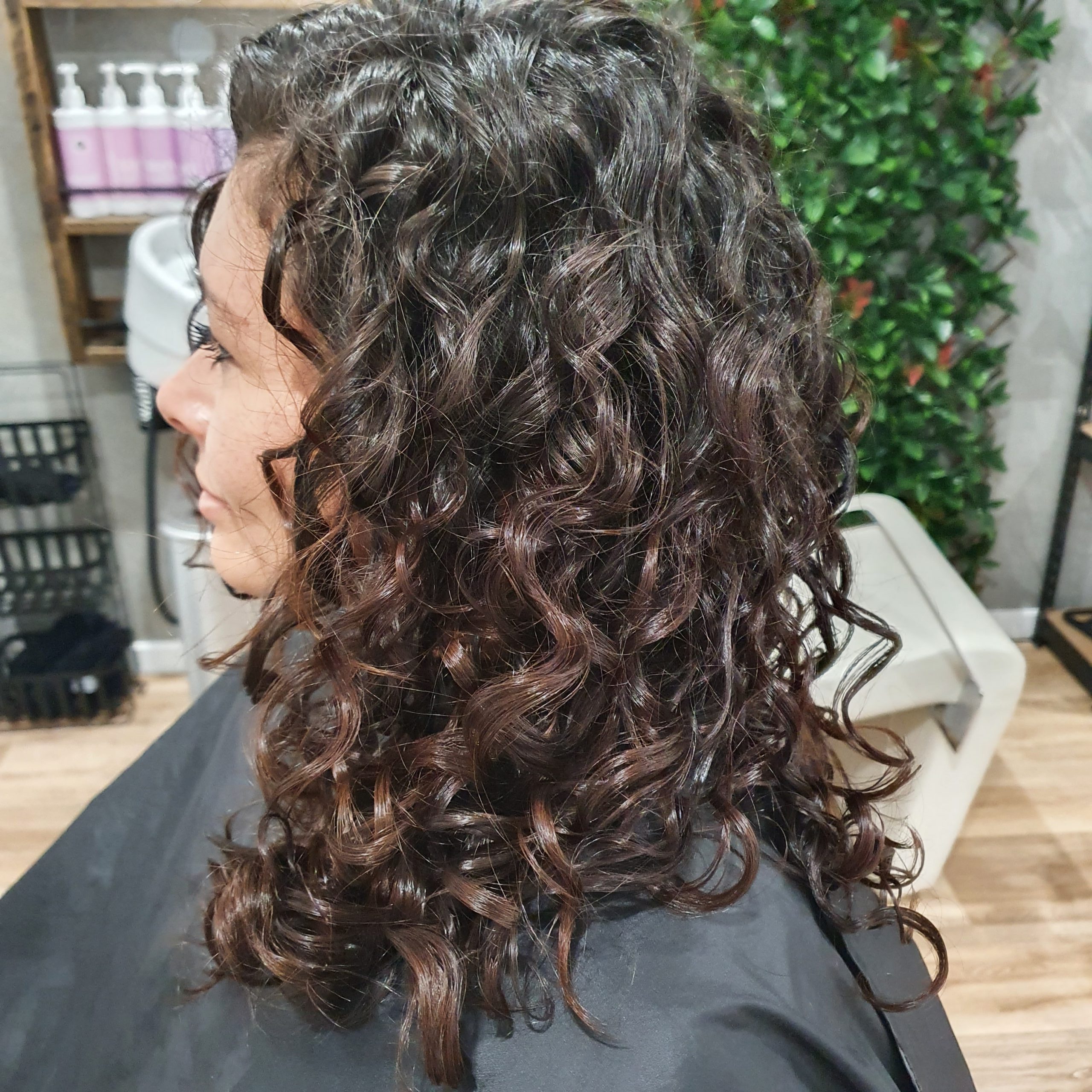
It is important to moisturize your hair properly to prevent hair damage. Opt for protein-rich conditioners that can strengthen the hair cuticle while providing moisture. Look for ingredients like keratin and amino acids to help maintain the health and elasticity of medium porosity hair. High porosity hair can absorb too much water due to raised cuticles or the lack thereof. Products and water absorb too quickly into the hair and, because the cuticle layer remains lifted, they escape just as fast. This cycle of over absorption and quick drying can eventually leave hair feeling tangled, dry, and lacking natural shine.
The Different Types Of Hair Porosity
As with other types, the ability to absorb and hold water varies compared to low and high porosities. As with any hair care routine, feeding your curls with the best ingredients and the right products is paramount to enjoying healthy locks. When selecting hair care products, it is important to consider the porosity of your hair. If your hair is highly porous, it means that it absorbs and loses moisture easily. In this case, you will want to choose products that can help seal the cuticle and prevent moisture loss.

Sofn’free GroHealthy Nothing But Clarifying Shampoo
To put it simply, your hair porosity is your hair's ability to absorb and retain moisture. Braided updos offer a chic and protective style for medium porosity hair. Braids help to retain moisture and prevent breakage by keeping the hair secured and away from potential damage. The porosity of your hair is influenced by the structure of the hair cuticle, which is comprised of overlapping scale-like cells. Medium porosity hair has a slightly raised cuticle layer, allowing moisture to enter and be retained, without causing excessive swelling or damage. If your medium porosity hair is prone to tangling after washing, use an all-natural detangling spray or spritz your hair with a leave-in conditioner before combing.
How to Care For High Porosity Hair, According to Experts
Product development expert on a mission to shine the spotlight on textured hair, bringing awareness of the category to the whole haircare industry. She is passionate about debunking false myths and bringing science-backed facts to the community, creating easy-to-follow guides to simplify curly haircare. Welp, your journey is probably going to start with something called... Basically, instead of my curls being just "fine," they are officially thriving. And now, I've made it my new life's mission—before I can retire into the wind, obvs—to help anyone with curls or coils figure out their porosity ASAP, so they too can get on my level of happiness.
What Is Hair Porosity 2021: 12 Best Curl Products for Your Type - Cosmopolitan
What Is Hair Porosity 2021: 12 Best Curl Products for Your Type.
Posted: Tue, 18 May 2021 07:00:00 GMT [source]
"Understanding your hair's porosity is important because it means you will get to know your hair better," François says. "The better you know your hair, the more confident and successful a relationship you will have with it." Cancellations are effective at the end of the then-current subscription period; To avoid future charges, cancel 5 business days prior to renewal. One day you will wake up and there won’t be any more time to do the things you’ve always wanted.Do it now.
Sometimes, even healthy hair needs this product, too, as it acts as an added layer of protection. Because the cuticle is dense, low-porosity hair can’t absorb hair products well, causing locks to be weighed down and lifeless. With low porosity hair, the cuticles are tightly packed, flat, and smooth on the strands. Because of this, moisture or water has difficulty penetrating the hair shaft. Make sure you’re still using products that are gentle on the hair and won’t cause damage.
Chemical Treatments and Hair Porosity
The other way to test is to simply run your fingers down a hair strand to feel its texture and hair porosity. If the hair feels smooth then it is low porosity, if it is rough or bumpy then it is high porosity. Low porosity hair can honestly feel like a double-edged sword to deal with, but there’s good news—we know just who to ask about maximizing its potential. For the ins and outs of caring for low porosity hair, we turned to top dermatologist Joyce Park, MD, as well as curl specialists Marissa Rullan of Studio 210 and Leigh Hardges from Maxine Salon. Below, learn everything from how to find out your hair's porosity to what to look for on product labels.
Medium porosity hair has an even balance of water absorption and retention due to evenly raised cuticles throughout the hair shaft. Water and products can easily pass through the cuticle layer without drying out too quickly. Medium porosity hair can appear shiny and healthy with unwanted frizz under control. No matter the porosity of your hair, Chambers-Harris has four tips for all hair types. You can also add shine to your locks by using products with natural oils and light moisturizing conditioners for your wash routine. Before we talk about medium porosity hair, we must first understand what hair porosity is.
If the hair floats at the top then it is low porosity, if it sinks slowly or settles in the middle it is medium/normal porosity, and if it sinks straight to the bottom then it is high porosity. Product recommendations depend on how high or low your hair leans (or floats in a glass of water). If your strand floats closer to the top of the glass, Diaz-Santin advises protein-rich products. If your strand of hair floats closer to the bottom, go with a buttery, oily product like Bumble and Bumble Hairdresser’s Invisible Oil Mask. You've figured out your hair texture, scoured product reviews on social media, curated a product lineup in your shower, and used said products on your next wash day.
The key distinction between high and low porosity hair lies in their ability to absorb and retain moisture. High porosity hair absorbs moisture quickly but struggles to retain it, while low porosity hair has difficulty absorbing moisture but retains it well once it penetrates the cuticle. Medium porosity hair falls in the middle range of porosity levels, neither excessively porous nor resistant to moisture absorption. It strikes a balance between absorbing and retaining moisture, making it more manageable than high-porosity hair yet less resistant than low-porosity strands.
Low-porosity hair can look limp and lifeless, and hair with medium porosity can, at times, also benefit from a volumizing approach. When it comes to hair with medium porosity, it is important to choose the right products for medium porosity hair to avoid potential damage. If your hair is naturally normal porosity hair, it means that it easily absorbs and retains moisture.
In most cases, porosity is genetic, but it can also be affected—and completely altered by external factors. Highly porous hair has raised cuticles that can absorb moisture but cannot hold on to it and loses it quickly. The lack of moisture makes the texture of your hair dry and sometimes coarse. Summer humidity opens up hair cuticles, boosting porosity for moisture absorption.



No comments:
Post a Comment